Creating a Consistent Brand Experience Across Your Website
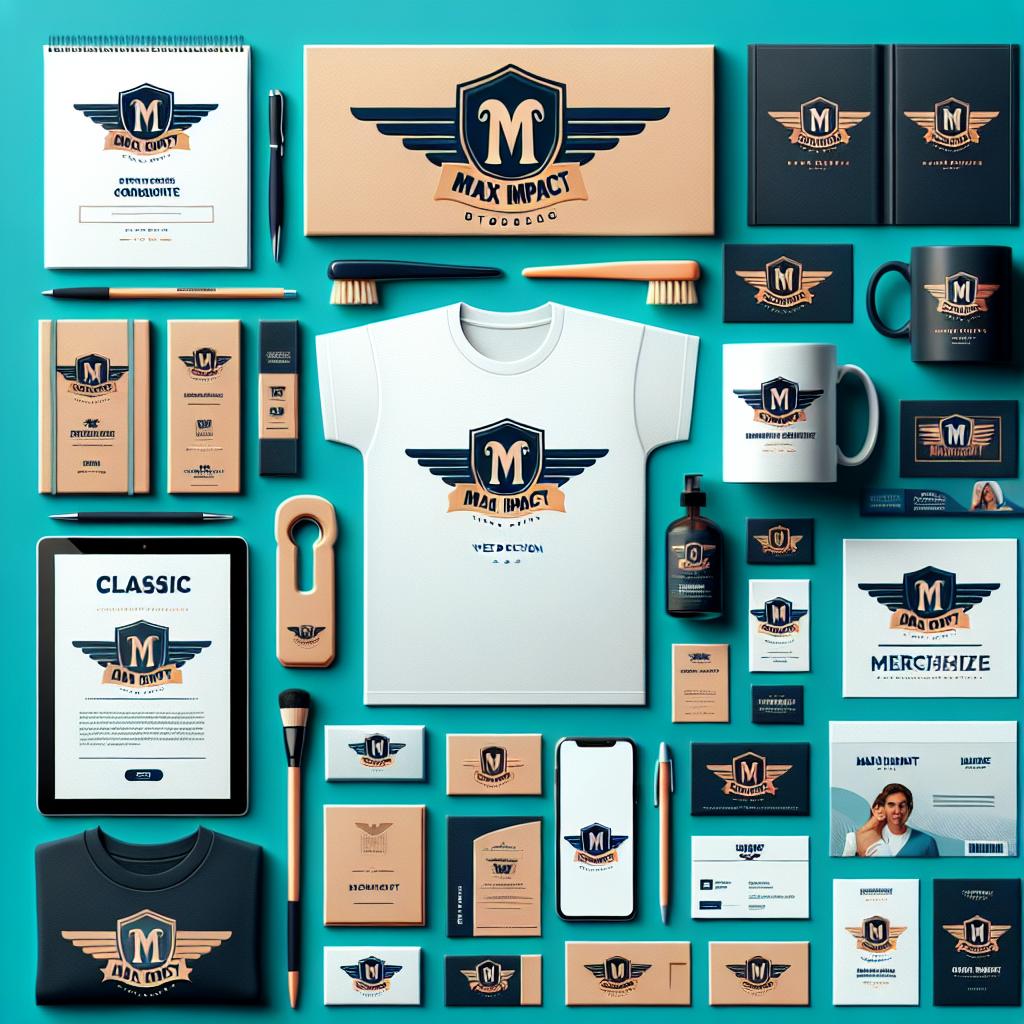
Building Your Brands Visual Identity for Maximum Impact
```htmlCreating a memorable visual identity is essential for establishing a strong connection with your audience. A well-defined brand aesthetic can communicate your values and personality without saying a word. To achieve a cohesive appearance across your website, consider the following elements:
- Color Palette: Choose a set of colors that reflect your brand's essence and use them consistently throughout your site.
- Typography: Select fonts that complement your brand voice; ensure readability and maintain a unified style.
- Imagery: Use high-quality images that showcase your product or service while aligning with your overall brand narrative.
Integrating these components effectively can enhance user experience and create a lasting impression. Here’s a simple table to help you visualize how these elements work together:
| Element | Purpose | Example |
|---|---|---|
| Color Palette | Sets the emotional tone | Blue for trust, yellow for optimism |
| Typography | Enhances readability | Sans-serif for modern feel, serif for tradition |
| Imagery | Visual storytelling | Authentic photos over stock images |

Crafting a Cohesive Voice That Resonates with Your Audience
To cultivate a distinct and harmonious persona for your brand, start by identifying key characteristics that define your identity. Consider the emotions and values you wish to evoke in your audience. A cohesive voice is not merely about the words you use but also about how you convey your message through various mediums. This means establishing consistent tone, style, and terminology across your website. Whether it's through engaging blog posts, enticing product descriptions, or informative FAQs, ensure that your brand’s personality shines through. Here are some strategies to develop that unified voice:
- Define brand guidelines: Create a document that outlines your brand voice, tone, and key messaging.
- Use a consistent vocabulary: Select a set of terms that reflect your brand personality and stick to them across all content.
- Tailor your style to your audience: Consider the preferences and expectations of your target demographic when crafting your content.
Furthermore, regularly engaging with your audience can help you fine-tune this voice. Gather feedback through surveys, social media interaction, and comments on your blog. This can guide adjustments and improvements while ensuring your voice remains relevant and relatable. As you refine your messaging, keep an eye on how it translates across different formats—such as emails, landing pages, and social media posts. Here’s a simple table to illustrate how various elements of your brand can contribute to a cohesive experience:
| Element | Impact |
|---|---|
| Visual Identity | Establishes immediate recognition and trust. |
| Messaging Framework | Ensures clarity and consistent communication. |
| Engagement Tactics | Fosters loyalty and encourages feedback. |

Streamlining User Experience to Enhance Brand Engagement
Creating a seamless user experience is paramount to fostering brand loyalty and engagement. By ensuring that every interaction a visitor has with your website reflects your brand’s personality and message, you can cultivate a deeper connection with your audience. Focus on consistency across various touchpoints, including color schemes, typography, and visual elements. A well-established style guide can help maintain uniformity, making your brand instantly recognizable. Implementing easy navigation and clear calls to action (CTAs) further enhances the journey, encouraging guests to explore more of what you have to offer.
Moreover, optimizing your website's performance is essential for improving user experience. Slow load times can frustrate visitors and drive them away, so it’s crucial to prioritize website speed. Here are some actionable steps to enhance performance:
- Optimize Images: Use appropriate file formats and compress images without compromising quality.
- Minimize HTTP Requests: Reduce the number of elements on a page to speed up load times.
- Utilize Caching: Implement browser caching to allow returning users faster access to your site.
In addition to these technical aspects, integrating user feedback is vital for continuous improvement. Consider conducting user surveys or testing sessions to gather insights on their experiences. Implementing changes based on this feedback can significantly shape the user journey, ensuring that your website not only attracts but retains users. Here’s a simple table to illustrate some quick wins for enhancing user experience:
| Action | Benefit |
|---|---|
| Implement Mobile Responsiveness | Increases accessibility for smartphone users |
| Refine CTAs | Drives higher conversion rates |
| Use Consistent Branding | Enhances brand recognition and trust |

Harnessing the Power of Consistency in Content and Design
In the vast ecosystem of digital experiences, consistency acts as the glue that binds a brand's identity. By ensuring that every element—from typography to color schemes—remains uniform, you create a seamless journey for your visitors. Establishing a set of brand guidelines is a great starting point. Consider the following essential components:
- Color Palette: Choose a harmonious blend of colors that resonate with your brand message.
- Typography: Limit font choices to create a clean look that reflects your brand's personality.
- Imagery: Use a consistent style for all images; whether it's photography or graphics, a cohesive look is vital.
The impression you leave on your audience can be substantially influenced by your website's design consistency. Incorporating user-friendly layouts across pages not only enhances accessibility but also fosters trust. Adopting a structured approach such as creating a simple grid system can make navigation intuitive. Below is a quick reference table highlighting best practices:
| Design Element | Best Practice |
|---|---|
| Headings | Be consistent with font size and weight for hierarchical structure. |
| Buttons | Use a uniform style and placement throughout the site. |
| Spacing | Maintain the same padding and margins for a balanced look. |


Comments
Post a Comment