How to Train Your Chatbot: Tips for Improving Conversational Skills

Unleashing the Power of Language Models for Engaging Interactions
When it comes to enhancing your chatbot's conversational abilities, tapping into the potential of language models can be a game changer. By leveraging natural language processing (NLP) techniques, you can create interactions that feel more like a genuine conversation rather than a scripted exchange. Start by focusing on contextual understanding, which allows the chatbot to remember previous interactions and respond appropriately. Additionally, incorporating user feedback will help you fine-tune responses, making them more relatable and human-like. Here are some strategies to consider:
- Utilize diverse training datasets: Incorporate a wide range of conversational data to cover various topics and dialects.
- Implement sentiment analysis: Enable your chatbot to gauge user emotions and tailor responses accordingly.
- Encourage small talk: Allowing casual conversation helps users feel more at ease while interacting with your bot.
Furthermore, the way your chatbot retains and communicates information can significantly influence user satisfaction. Implementing a robust memory system enables the bot to reference past chats, providing a personal touch to the interaction. Consider showcasing retention capabilities within a structured layout:
| Feature | Description |
|---|---|
| Personalization | Tailors responses based on user preferences. |
| Context Awareness | Remembers previous topics for coherent conversations. |
| Dynamic Learning | Adapts based on interactions and feedback. |

Crafting Conversational Scenarios that Mirror Real-Life Dialogue
To enhance your chatbot's conversational abilities, it's essential to design scenarios that mimic the nuances of real-life interaction. By creating context-rich dialogues, you encourage the chatbot to respond in a more authentic manner. Consider developing a range of situational contexts, such as:
- Personal chats: Simulate friendly exchanges that include slang and casual language.
- Customer service: Build scripts that cover common issues a user might face.
- Informational queries: Incorporate questions that require detailed, informative responses.
Additionally, ensure these scenarios include various emotional undertones to train your chatbot to detect and react appropriately to the user’s mood. A well-structured dialogue can help your bot make sense of tone shifts or frustration in users. Use a table to outline potential emotions and sample chatbot responses:
| User Emotion | Chatbot Response |
|---|---|
| Frustration | "I understand this is frustrating. Let’s sort this out together!" |
| Excitement | "That’s fantastic! Tell me more about what got you excited!" |
| Confusion | "I see this can be a bit confusing. How can I clarify things for you?" |
Understanding User Intent: The Key to Personalized Responses
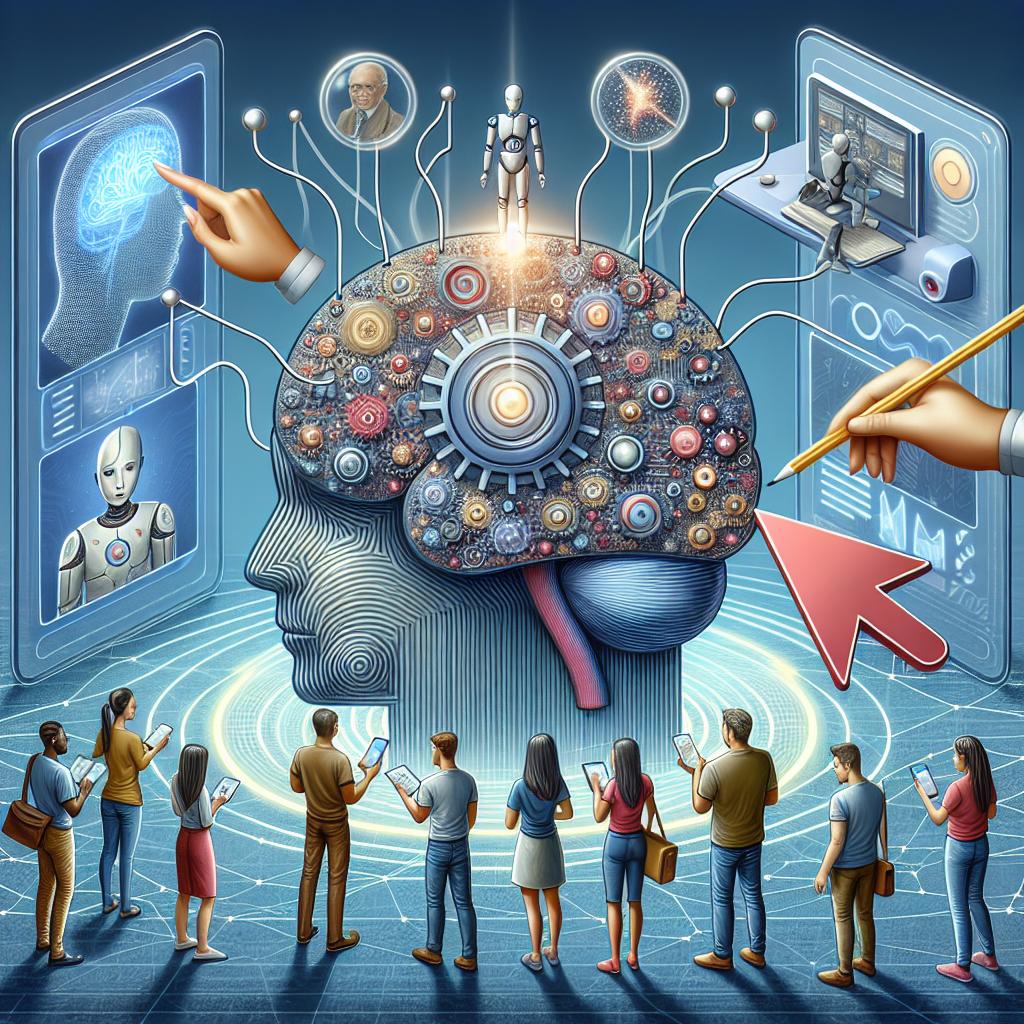
Understanding user intent is essential for crafting effective chatbot interactions. When a chatbot accurately interprets the motivations behind user inquiries, it can deliver more relevant and satisfying responses. This approach goes beyond simple keyword recognition and delves into the subtleties of human communication, such as emotion, context, and implicit needs. By harnessing natural language processing (NLP) and machine learning techniques, chatbots can learn to identify and prioritize various types of user intents, allowing them to respond in a manner that feels more personal and engaged.
To effectively enhance your chatbot's ability to understand user intent, consider employing strategies such as:
- Collecting User Data: Gather insights from past interactions to refine your understanding of common intents.
- Implementing Contextual Awareness: Ensure the chatbot remembers previous messages and user preferences to shape future responses.
- Utilizing Sentiment Analysis: Analyze user emotions in conversation to adjust the chatbot's tone and content accordingly.
| User Intent | Suggested Response |
|---|---|
| Requesting Information | “Sure! What information can I help you find?” |
| Seeking Assistance | “I’m here to help! What do you need assistance with?” |
| Providing Feedback | “Thank you for your feedback! It helps us improve.” |
Regular Updates and Feedback Loops for Continuous Improvement
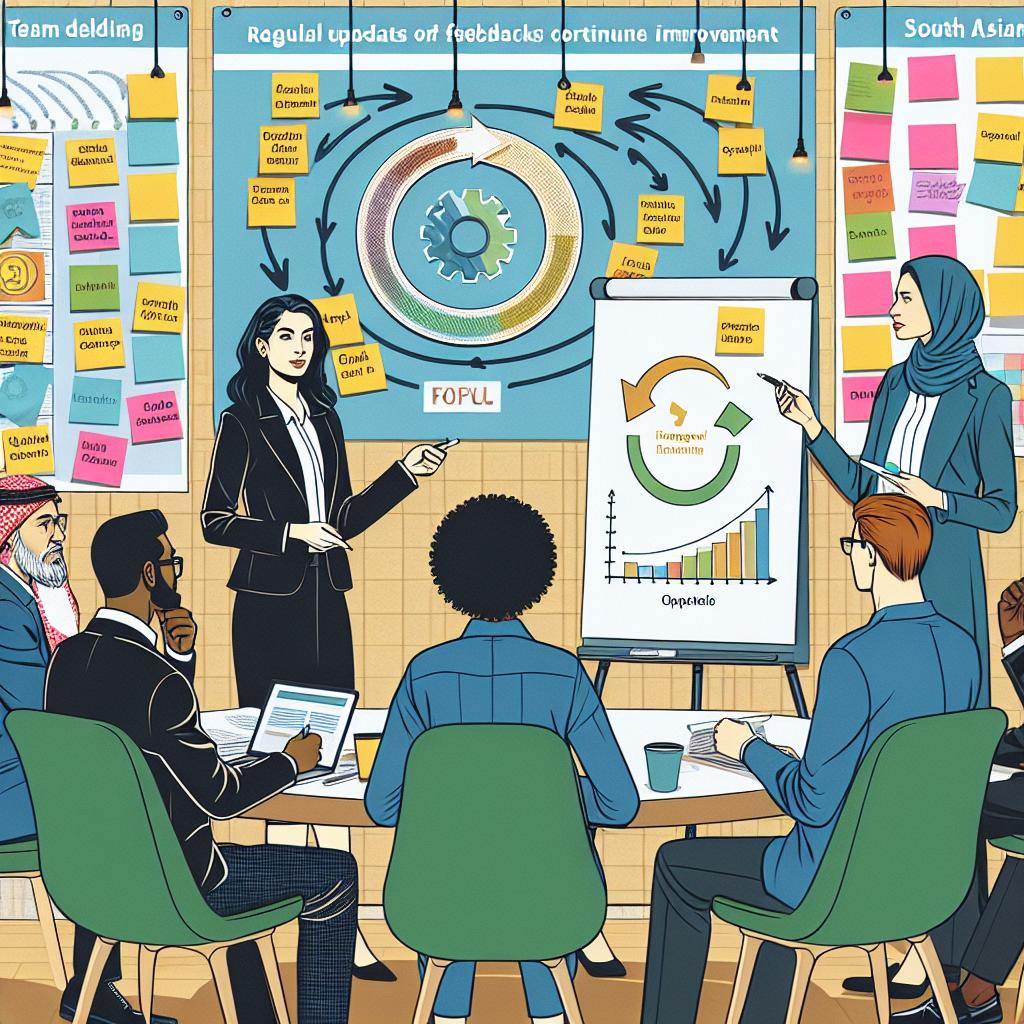
Implementing regular updates and creating effective feedback loops are essential for honing the conversational skills of your chatbot. By frequently evaluating the interactions your chatbot has with users, you can identify recurring issues or areas for improvement. This might involve scrutinizing the types of questions users ask, determining which responses are most effective, and uncovering any misunderstandings that arise. Use this valuable data to inform targeted modifications, ensuring your bot remains responsive to the evolving needs of users. Some effective strategies include:
- Analyzing chat logs: Review conversations to spot trends and common pain points.
- Conducting user surveys: Gather direct feedback on user satisfaction and desired functionalities.
- Implementing A/B testing: Experiment with different responses to gauge user reactions and preferences.
Incorporating a systematic approach to collect and implement feedback can significantly enhance your chatbot’s interactions. Consider establishing a routine for updating your bot’s knowledge base and training data based on insights you've gathered. You might find it helpful to maintain a rolling improvement schedule, ensuring that updates are not sporadic but a regular part of your chatbot’s life cycle. The following table illustrates a simple quarterly plan for feedback integration:
| Quarter | Feedback Activity | Expected Outcome |
|---|---|---|
| Q1 | User survey for feature requests | Long-term improvement strategy |
| Q2 | Review analytics from chat logs | Identified common issues |
| Q3 | A/B testing of response styles | Enhanced engagement metrics |
| Q4 | Update knowledge base with new data | Improved accuracy and relevancy |


Comments
Post a Comment