Chatbots and User Engagement: Keeping Visitors Engaged on Your Website
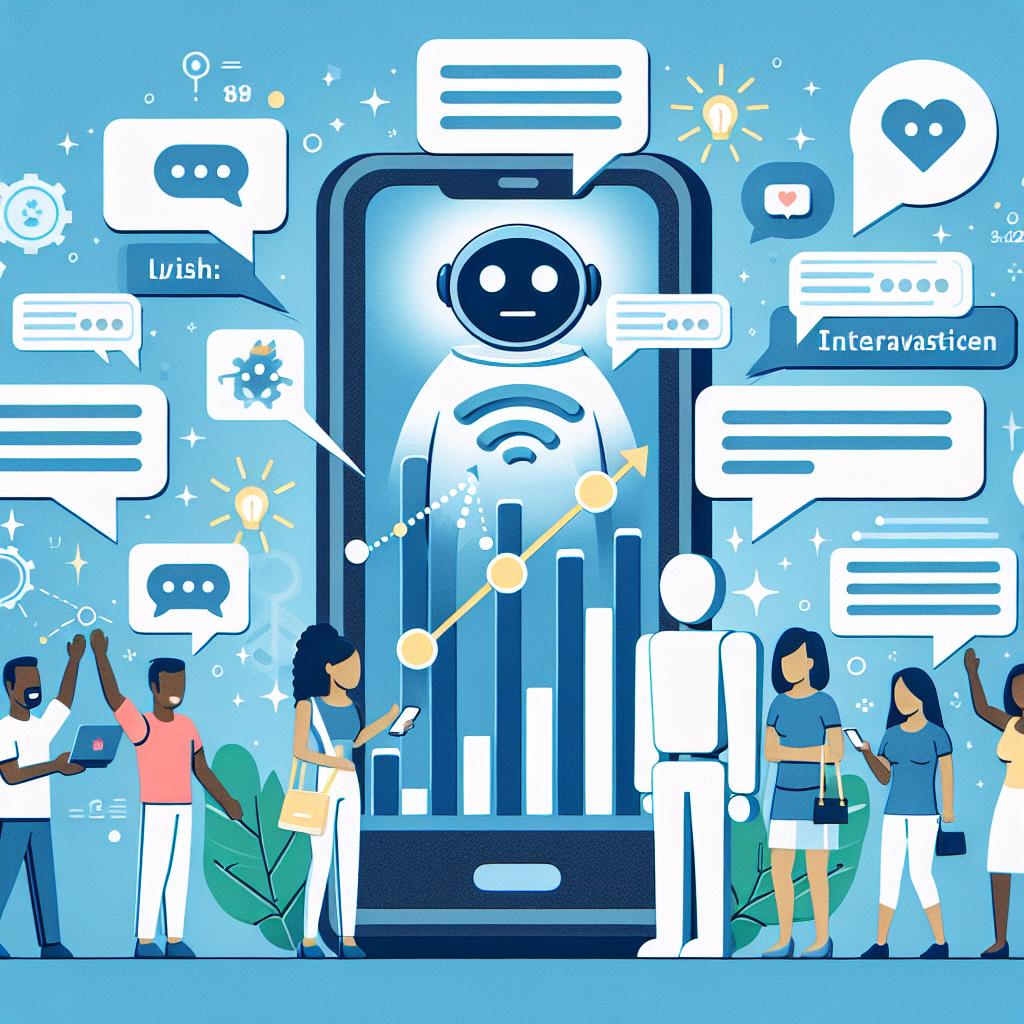
Understanding the Power of Chatbots in Boosting Visitor Interaction
Chatbots are revolutionizing the way websites engage their visitors, offering a seamless interface for communication that feels immediate and personal. These intelligent tools provide an opportunity for 24/7 customer service, ensuring that no inquiry goes unanswered and no visitor feels neglected. By integrating chatbots on your site, you can effortlessly guide users through their journey, answering questions, providing recommendations, and offering assistance—all within a matter of seconds. This not only enhances the user experience but also fosters a sense of trust and loyalty among your audience.
Moreover, chatbots can gather and analyze vast amounts of data regarding visitor behavior, helping you understand your audience better. This enables personalized interactions based on user preferences, which can lead to increased conversion rates. Consider the following aspects that illustrate the impact of chatbots on visitor engagement:
- Instant Responses: Visitors receive answers immediately, reducing frustration and bounce rates.
- 24/7 Availability: No matter the time, users can get support, enhancing satisfaction.
- Data Collection: Chatbots can track visitor sentiment and usage patterns for future insights.
- Cost-Effective: Reduce overhead costs while providing full-scale engagement.

Crafting Conversational Experiences That Keep Users Coming Back
Creating a dynamic and engaging conversational experience is essential for keeping visitors actively involved on your website. By leveraging the capabilities of chatbots, businesses can foster a sense of community and make interactions feel personal. Effective chatbots should be designed to:
- Understand user intent: Utilize natural language processing to interpret user queries accurately.
- Provide real-time updates: Keep users informed about their requests or inquiries without them needing to refresh the page.
- Offer recommendations: Analyze user behavior and preferences to suggest products or content tailored to their needs.
Additionally, the design of these conversations should encourage users to return. This can be accomplished by implementing features that engage users in informative dialogue. For example, you can use feedback loops that prompt users to share their thoughts:
| Chatbot Feature | Engagement Benefit |
|---|---|
| Personalized greetings | Creates a welcoming atmosphere |
| Interactive quizzes | Encourages participation and return visits |
| Follow-up questions | Enhances user experience and satisfaction |
By establishing a conversational flow that feels less robotic and more organic, websites can transform casual visitors into loyal users eager to return for more interactions.
Best Practices for Integrating Chatbots Seamlessly into Your Website
Integrating chatbots into your website can significantly enhance user engagement when done thoughtfully. First, consider the design and placement of your chatbot. It should be easily recognizable yet unobtrusive, allowing users to interact with it without feeling overwhelmed. Aim for a friendly interface that mirrors your brand's personality. Key placement options include the bottom right corner of the page, where it can catch users' attention without disrupting their browsing experience. Additionally, ensure that the chatbot is equipped with predictive capabilities to anticipate user needs—this could mean suggesting answers based on the user’s search queries or previous interactions.
Another essential practice is to regularly update and train your chatbot to handle various queries effectively. Users appreciate when chatbots become wiser with time, offering personalized responses that reflect their preferences. Create a table to outline the kinds of queries your chatbot should handle effectively:
| Query Type | Response Action |
|---|---|
| Product Queries | Provide detailed information and suggestions |
| Order Tracking | Direct users to real-time tracking options |
| FAQs | Quick answers or links to relevant articles |
| Feedback Collection | Engage users with surveys post-interaction |
By staying proactive and continuously refining your chatbot’s functionality, you ensure a smooth and engaging user experience that keeps visitors coming back.
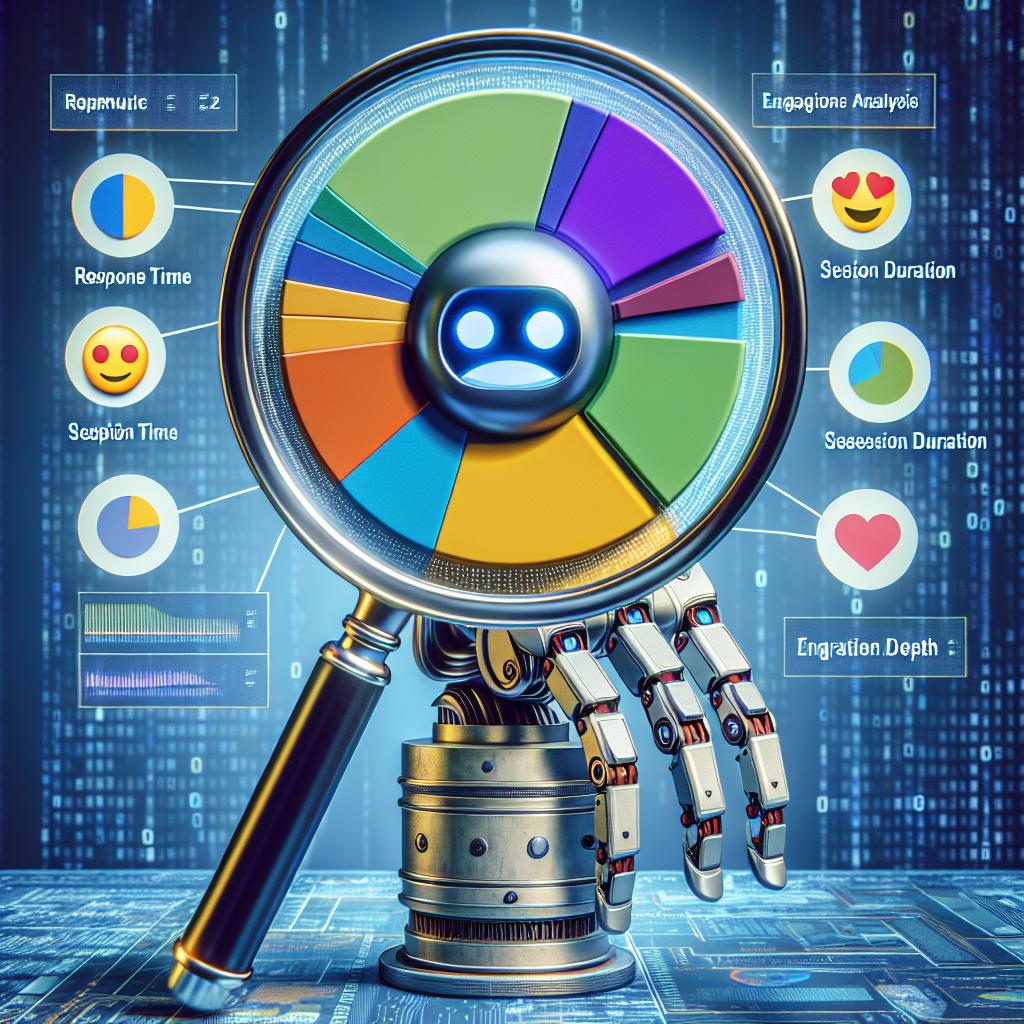
Measuring Success: How to Evaluate the Impact of Chatbots on Engagement
Evaluating the impact of chatbots on user engagement involves monitoring a variety of metrics that reveal how effectively these digital assistants enhance the visitor experience. Key performance indicators (KPIs) can provide valuable insights into this engagement. Consider assessing the following:
- Conversation Success Rate: How often do users find the answers they seek?
- Average Interaction Time: Are users spending more time interacting with the bot?
- Return Visitor Rate: Are users coming back after their initial interactions?
- User Satisfaction Scores: What feedback are users providing about their experiences?
In addition to these metrics, analyzing user behavior patterns can illuminate the chatbot’s influence on overall website engagement. By integrating chatbots with analytics tools, you can generate valuable data on the conversion rates before and after implementing the bot. A simple breakdown of user interactions can be captured in the following table:
| Metric | Before Chatbot | After Chatbot |
|---|---|---|
| Average Session Duration | 1:30 minutes | 3:00 minutes |
| Click-Through Rate | 2.5% | 5.8% |
| Conversion Rate | 1.2% | 4.5% |
By consistently measuring these elements and adapting your chatbot strategies accordingly, you can ensure that your website remains a vibrant space that captivates users and drives engagement.


Comments
Post a Comment